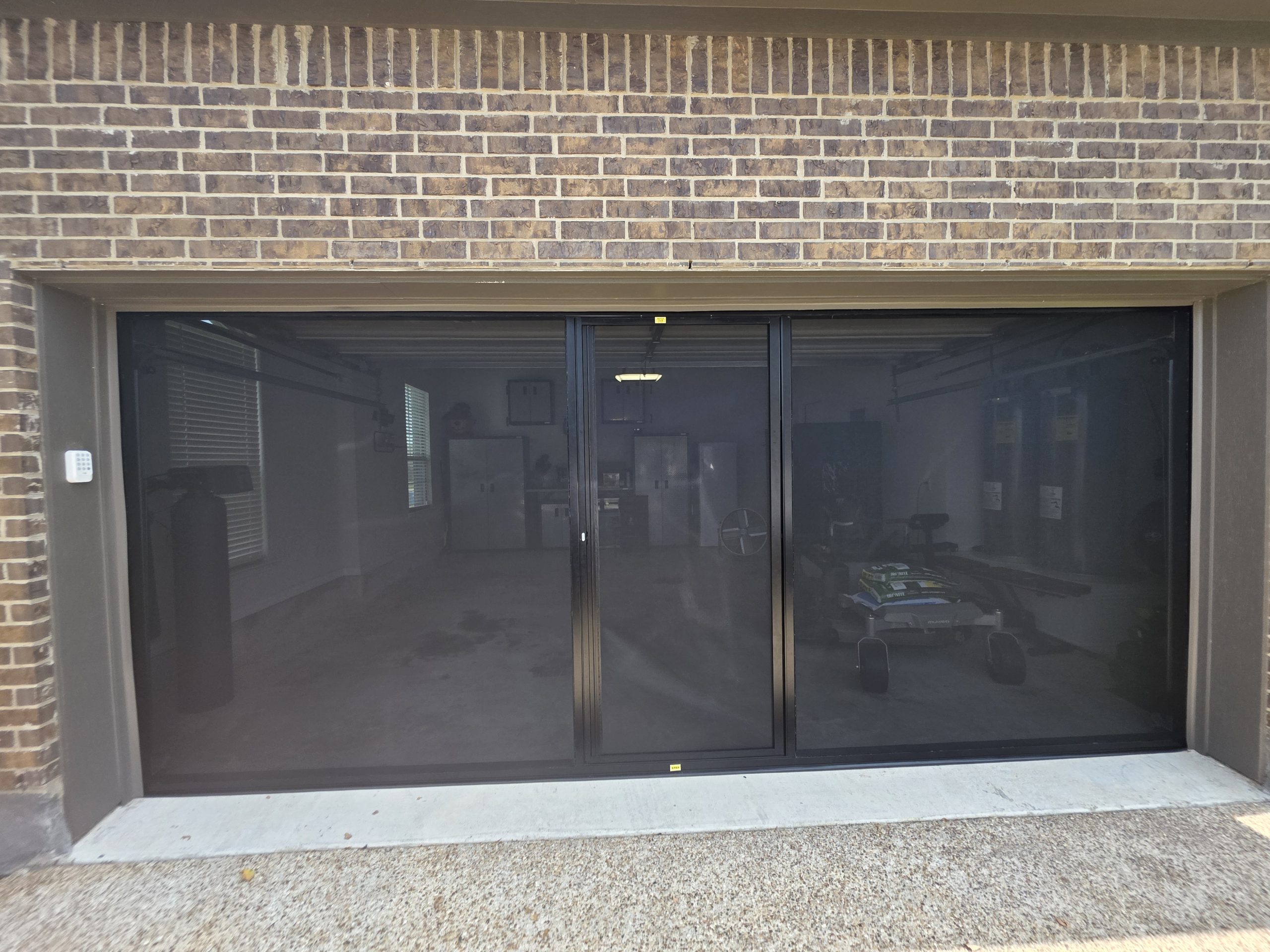
Inspect the Opening
We review the existing door, framing, tracks, ceiling clearance, floor condition and nearby equipment.
Garage doors affect curb appeal, security, comfort and the way the entire garage operates. The Garage Alchemist helps homeowners in Waco, Temple, Killeen and surrounding Central Texas communities plan replacement doors, opener upgrades, insulation, windows and hardware as part of one complete garage system.
We start with the opening, current door condition, ceiling clearance, opener setup and the way the new door should fit the home. The result is a cleaner exterior, smoother daily operation and a garage-door plan that works with flooring, cabinets, lighting and storage.

A garage door can cover a large portion of the front elevation, yet it is often treated as a purely mechanical item. The right door changes the appearance of the home while also affecting light, noise, security and temperature inside the garage. That makes door selection especially important when the rest of the garage is being upgraded.
Homeowners may want a cleaner modern panel, a carriage-house look, a wood-tone finish, decorative windows or a quieter insulated system. The correct choice depends on the architecture of the home, the size of the opening, the existing track configuration and how the garage is used. We help narrow the options so the final door looks deliberate rather than simply replacing the old one with another generic panel.
Professional garage door installation starts long before the panels arrive. The opening, side room, headroom, backroom, framing, tracks, springs, opener position and surrounding equipment all affect the final setup. Measurements also need to account for cabinets, lighting, ceiling storage and other upgrades that may share the same space.
We review the existing door, framing, tracks, ceiling clearance, floor condition and nearby equipment.
Door style, construction, insulation, windows, color, hardware and opener options are matched to the project.
Lighting, cabinets, slatwall, lifts and door travel are checked so the systems do not compete for space.
The completed door is aligned, balanced, connected and tested for smooth operation and safety features.
Not every noisy or damaged door requires complete replacement, but there are situations where continuing to patch the system stops making sense. Repeated panel damage, severe corrosion, poor balance, limited insulation, incompatible opener equipment or a design that no longer fits the home may justify a full replacement plan.
Replacing the door also creates an opportunity to correct the entire setup. The new system can improve the exterior appearance, update the track and spring configuration, support a quieter opener and coordinate with the finished interior of the garage. During the consultation, we separate cosmetic concerns from operational problems and explain which parts can remain and which should be replaced.
“Custom” does not have to mean an impractical one-off door. It can mean choosing the right combination of panel design, finish, windows, decorative hardware and construction options from an available product line. Those choices help the door connect visually with brick, stone, siding, trim and the style of the home.
Straight lines and simple panel layouts work well with contemporary homes and modern garage interiors.
Traditional sectional patterns provide depth without requiring a heavily decorative exterior.
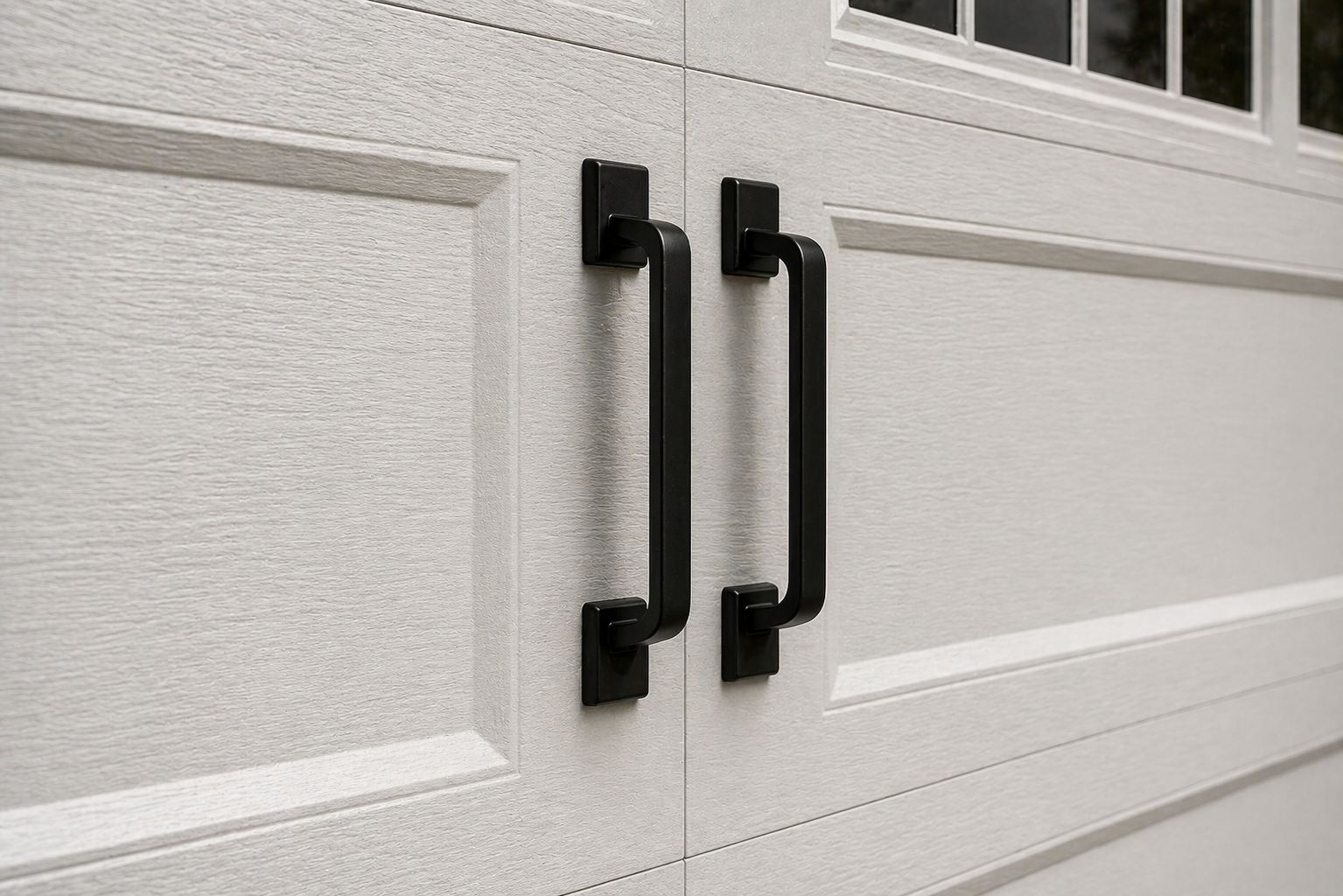
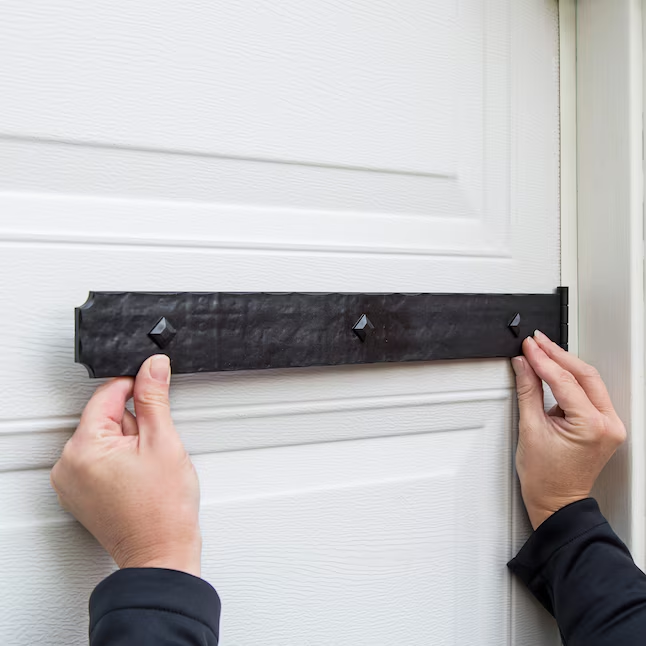
Handles and hinge accents create a carriage-house appearance while the door operates overhead.
Window placement can bring light into the garage while supporting privacy and exterior symmetry.
An insulated garage door does not turn an unconditioned garage into a climate-controlled room, but it can reduce heat transfer through the door and make the interior surface feel more substantial. That may be valuable when the garage is attached to the home, used as a workshop or gym, or entered frequently throughout the day.
Insulation choices should be considered with the rest of the garage. Wall and ceiling insulation, air sealing, windows, sun exposure and HVAC conditions all affect comfort. The door’s construction also changes its weight, which can influence spring and opener selection. We review the complete setup rather than treating insulation as a stand-alone checkbox.
The opener should be matched to the door rather than selected only by horsepower or price. Door weight, balance, size, track configuration, ceiling clearance and the location of living space all influence the right setup. A quiet opener may matter most beneath a bedroom, while lighting, battery backup or access controls may be the priority in another home.
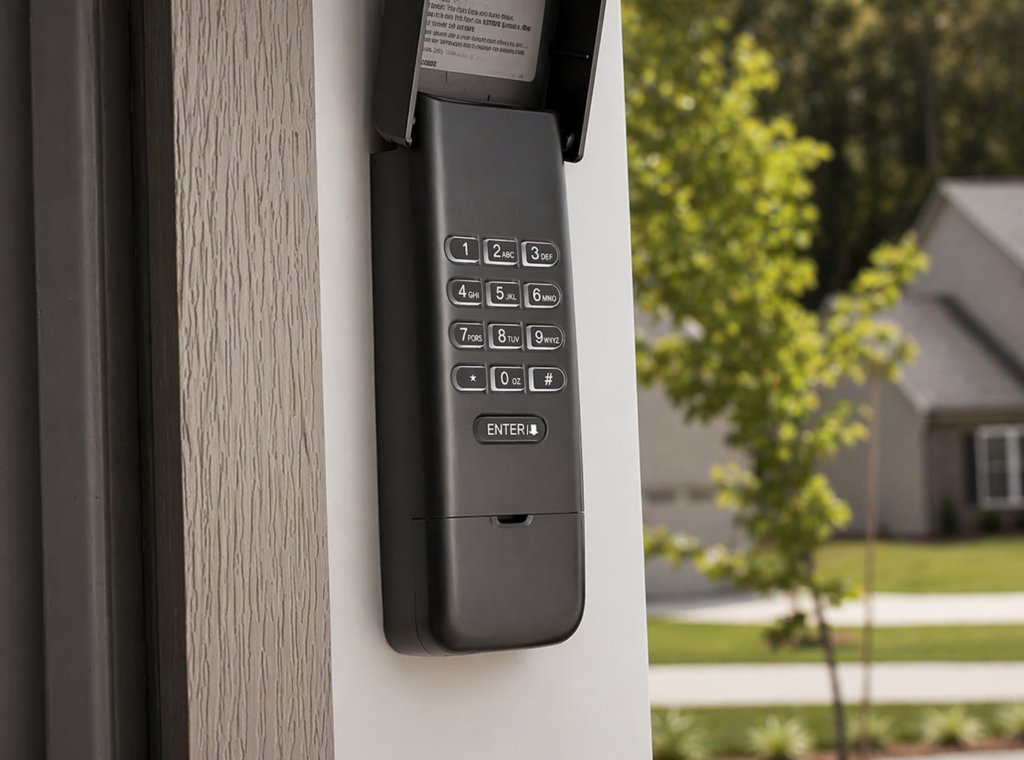
Replacement projects are also the right time to review remotes, wall controls, keypads and safety sensors. Older equipment may not support the access features homeowners expect today, and some systems may be better replaced as one coordinated package instead of mixing old and new components.
The opener does not lift a properly balanced door by force alone. Springs, tracks, rollers and door balance all influence safe, smooth operation. We review the system as a whole before recommending replacement equipment.
Smart garage door openers can add remote status checks, app-based control, activity notifications and integration with compatible access products. Those features can be useful for households that use the garage as the main entry, manage deliveries or want confirmation that the door was closed after leaving home.
Connectivity should not replace basic operation and safety. The opener still needs to match the door, the sensors must be aligned, the network must reach the garage and the homeowner should understand how accounts, permissions and notifications work. We review smart features as part of the opener selection instead of selling connectivity as the only reason to upgrade.
Check whether the door is open or closed from a compatible app when the system and network support it.
Use compatible remotes, keypads and digital permissions based on the selected opener platform.
Receive notifications for selected door events and review activity through the supported service.
Door materials and product lines vary, but most homeowners are balancing the same questions: how the door should look, how much insulation is useful, how much maintenance they want and which opener or hardware options fit the project. The table below is a planning guide rather than a substitute for reviewing the exact manufacturer specifications.
| Door Direction | Best Fit | Appearance | Planning Consideration |
|---|---|---|---|
| Standard Steel Sectional | Practical replacement and broad style choices | Traditional, modern or carriage-inspired panels | Compare insulation, gauge, finish and window options |
| Insulated Steel | Attached garages and frequently used spaces | Similar exterior choices with a finished interior surface on many systems | Added weight should be matched with the springs and opener |
| Wood-Look Finish | Warm appearance without choosing a fully natural-wood door | Wood-tone texture or printed finish | Review finish samples and expected exposure |
| Full-View or Contemporary | Modern homes, show garages and daylight-focused designs | Large glass or acrylic sections with clean frames | Privacy, glare, insulation and exterior architecture matter |
Garage doors are heavy moving systems with springs, cables, tracks and powered operators. Installation and spring work should not be treated as casual DIY tasks. The resources below provide additional safety and product information from established industry and government sources.
Review safety information and the recommendation to use trained door-system technicians for installation.
Visit Resource → Federal SafetyRead about mandatory safety requirements for automatic residential garage-door operators.
Visit Resource → Product InformationCompare examples of professionally installed opener features such as battery backup and smart controls.
Visit Resource → Financing InformationReview general home-improvement financing information and available prequalification options.
Visit Resource →The Garage Alchemist approaches the door as part of the garage rather than an isolated exterior product. Door travel affects lighting and ceiling storage. Track position affects cabinets and slatwall. The threshold and bottom seal meet the floor coating or tile system. Windows influence daylight, and the finished exterior hardware should support the same visual direction as the rest of the home.
That coordination is especially useful when a door replacement is combined with flooring, cabinets, lighting or screen systems. Instead of making each decision separately, we can review the sequence and clearances before installation begins.
Add handles, hinge accents and selected functional hardware to finish the door.
Coordinate the threshold, floor color and installation sequence with the new door.
Place overhead and task lighting around the door’s open position and track layout.
Add a retractable screen system when airflow and a more usable open garage are priorities.
The Garage Alchemist serves homeowners throughout the Waco–Temple–Killeen corridor and nearby Central Texas communities. Contact the team with the property address, opening size and project goals so we can confirm service availability and the next step.
Qualified homeowners can review financing options through Hearth when spreading the cost of a door replacement or larger garage project over time is useful. A garage door may also be combined with flooring, cabinets, lighting or other upgrades in one planned project. Loan availability, rates and terms come from the participating lender, so review all final disclosures before accepting an option.
These answers cover common planning questions. Exact product choices, lead times, pricing and installation details depend on the opening, selected door system and current availability.
Yes. The garage-door service plan includes measuring the opening, reviewing style and insulation choices, coordinating opener and hardware options, and arranging professional installation. Final product availability and exact scope are confirmed during the consultation.
Section replacement may be possible when matching panels are available and the remaining door is in suitable condition. When the door is older, multiple sections are damaged or the design is discontinued, complete replacement may be the more practical option.
Insulation can be useful for attached garages, workshops, gyms and spaces used frequently during hot weather. It does not condition the garage by itself, so wall insulation, ceiling conditions, air sealing, sun exposure and ventilation should also be considered.
Many residential door systems offer window options. Placement, glass type, privacy, daylight, exterior symmetry and insulation performance should be reviewed before the configuration is ordered.
Smart-compatible opener options can include app controls, activity alerts, remote status and compatible access devices. The exact features depend on the selected opener platform, network coverage and account setup.
Not always. The existing opener may remain suitable when it is compatible, safely operating and properly sized for the new door. Replacement may make sense when the equipment is outdated, unreliable, incompatible or missing features the homeowner wants.
Yes. Door tracks, open-door position, threshold details, lighting and cabinet placement all interact with the door system. Planning the services together reduces conflicts and creates a more complete finished garage.
The service area includes Waco, Temple, Killeen, Fort Cavazos, Belton, Hewitt, Woodway, China Spring, Harker Heights, Salado, Lorena, Robinson and surrounding Central Texas communities. Contact the team with the property address to confirm availability.
Tell The Garage Alchemist what is wrong with the current door and what you want the replacement to improve. We will review the opening, style, insulation, opener and hardware priorities, then help connect the door plan with the rest of the garage.
A new garage floor and cabinet system looks better when the door matches the space. We are adding garage door services for Central Texas homeowners who want better curb appeal, smoother daily use, stronger hardware and a cleaner finished look inside the garage.